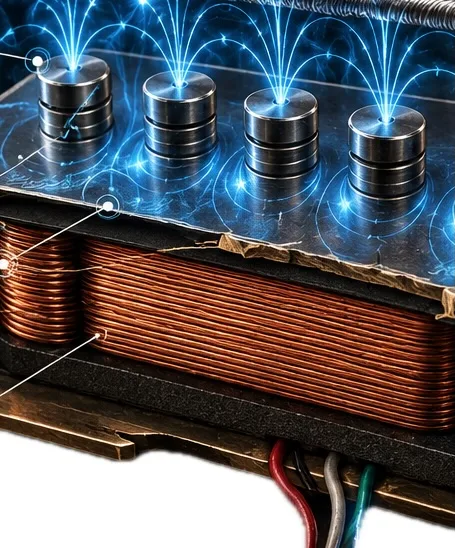
The Warman twin coil humbuckers all pretty much follow the same wire colour codes as follows.
Bare wire. This is the overall group wire for the pickup and needs to be connected to a common earth point on the guitar. Typically this is the back of a pot.
Black. This is the negative ( – ) wire of the first coil, sometimes called the start wire.
White. This is the positive ( + ) wire of the first coil, sometimes called the finish wire
Red. This is the negative ( – ) wire of the second coil. ( start )
Green. This is the positive ( + ) wire of the second coil ( finish )
To wire this up as standard humbucker with both coils i series. Connect black and bare to the back of one of the pots ( common earth circuit )
Leave red and white joined together , they come pre-soldered to each other . Wrap some insulation tape around this solder joint to avoid accidental shorting our of the coils when you stuff all the wires back into the guitar cavities.
Connect the green wire either to the input lug on you volume pot or the pickup selector switch, this will depend on how your guitar is wired and its control layout .
Single coils
Single coil pickups have just 2 wire coming out of them. This will either be a single twin core cable or two individual leads, depending on model. single cable versions have an inner and outer core to the wire, the inner is the hot wire and the outer is the ground / negative wire. If the pickup has two individual leads then one of these will be black, which is the ground wire, and the other coloured lead will be the hot wire.
Quick answer. Pickup inductance is a measurement, in Henries (H), of how a guitar pickup’s coil stores magnetic energy. It is one of the best indicators of a passive pickup’s tonal character because it strongly influences resonant frequency, perceived output and frequency response. Lower inductance generally produces brighter, clearer tones, while higher inductance usually produces thicker, warmer, more powerful sounds.
What Is Pickup Inductance?
If you’ve ever compared guitar pickups, you’ve probably noticed that manufacturers proudly advertise DC resistance in kilo-ohms (kΩ). While that measurement is useful, it only tells part of the story.
Pickup inductance is often a much better indicator of how a passive magnetic guitar pickup will actually sound.
Measured in Henries (H), inductance describes how strongly a pickup’s coil stores magnetic energy as an electrical signal is generated. In simple terms, it influences how the pickup responds across the guitar’s frequency range and where its natural resonant peak sits.
Think of it like this:
DC resistance tells you how much wire is in the pickup.
Inductance tells you how that pickup is likely to behave.
For players looking for more accurate specifications than marketing terms like warm, vintage or high output, inductance is one of the most useful measurements available.
The Simple Explanation
Imagine two loudspeakers.
One produces crystal-clear speech.
The other produces deep, powerful bass.
Both might use the same amplifier, but their design changes which frequencies they naturally emphasise.
A guitar pickup works in a similar way.
The inductance of the pickup influences which frequencies are naturally emphasised and which begin to roll away.
Generally speaking:
Lower inductance usually sounds brighter and more open.
Higher inductance usually sounds thicker, fuller and more powerful.
That doesn’t mean one is better than the other.
It simply means they’re designed for different musical jobs.
Why Is Inductance More Useful Than DC Resistance?
For decades guitarists have compared pickups using DC resistance.
Unfortunately, this has led to one of the biggest myths in the guitar world.
A higher resistance pickup is not automatically a higher output pickup.
Resistance simply measures the length and thickness of the copper wire wound around the bobbin.
Inductance takes into account how the complete magnetic circuit behaves.
Two pickups can both measure 8.0 kΩ yet sound completely different because they have:
different magnets
different core materials
different coil geometry
different winding patterns
different inductance
This is why experienced pickup designers, like Warman, often pay much closer attention to inductance than resistance when evaluating a new design.
What Does Inductance Do To Tone?
As inductance increases, the pickup’s resonant frequency generally moves lower.
indie – Soapy Joes are a go to choice for punchy Indie tones
pop
session work
Higher Inductance (5H and above)
Usually gives:
stronger midrange
thicker bass
smoother treble
greater perceived output
powerful overdriven sounds
Perfect for:
hard rock –Destroyers are the all rounder for hard rock tones.
metal – Classic metal tone can be had with the Zebra
modern rock – our number one choice here are the Stealths
high-gain amplifiers
Remember that these are general trends rather than hard rules. Magnet material, pickup construction, cable capacitance and the rest of the guitar’s electronics all contribute to the final result. A pickup’s resonant behaviour comes from the interaction of its inductance with its capacitance and load, not inductance in isolation.
Does Higher Inductance Mean Higher Output?
Usually…
…but not always.
Higher inductance often accompanies more turns of wire, which can increase signal voltage.
However, output is also affected by:
magnet strength
pole piece material
string height
pickup height
coil efficiency
magnetic field shape
This is why two pickups with almost identical resistance can produce noticeably different output levels.
Why Warman Guitars Lists Inductance
At Warman Guitars we believe guitarists deserve better information than simply quoting DC resistance.
Whenever practical, we publish both DC resistance and inductance because together they provide a far more complete picture of a pickup’s design.
For example:
A bridge pickup measuring:
16 kΩ
7.1 Henries
immediately tells an experienced builder that it is designed as a high-output pickup with a strong midrange voice.
Meanwhile another pickup measuring:
7 kΩ
2.4 Henries
suggests a brighter, lower-output design with greater top-end detail.
These numbers don’t tell the whole story—but they are far more informative than resistance alone.
Can Two Pickups Have The Same Resistance But Sound Completely Different?
Absolutely.
This happens surprisingly often.
Imagine two pickups that both measure:
8.0 kΩ
One may measure:
2.8 Henries
The other:
4.8 Henries
Although the resistance is identical, the second pickup will usually sound thicker and fuller, while the first may sound brighter and more articulate.
This is one reason why relying on resistance figures alone can be misleading.
What Is A Good Pickup Inductance?
There isn’t a single “best” inductance.
It depends entirely on the sound you’re trying to achieve.
Bright vintage tones
Approximately 2–3H
Classic rock
Approximately 3–5H
High output rock and metal
Typically 5H and above
Remember that inductance is one part of the overall design. Magnet choice, winding pattern, pickup height and even your guitar cable all influence the final tone.
Frequently Asked Questions
Is inductance more important than DC resistance?
For predicting how a passive pickup is likely to sound, inductance is generally more informative than DC resistance, although neither specification tells the whole story.
Why don’t more pickup companies publish inductance?
Many manufacturers continue using DC resistance because it is quick and inexpensive to measure with a standard multimeter. Measuring inductance accurately normally requires dedicated LCR test equipment and consistent test conditions.
Does higher inductance always mean darker tone?
Not always. It generally shifts the tonal balance towards a fuller sound, but magnet type, winding geometry, covers, cable capacitance and the guitar’s electronics also affect the final result.
Is inductance the same as output?
No.
Higher inductance often accompanies higher output, but output also depends on the magnetic circuit and overall pickup design.
Should I compare pickups using Henries?
Yes.
If manufacturers publish inductance measured under consistent conditions, it is one of the most useful specifications available when comparing passive magnetic pickups.
Final Thoughts
If you’ve only ever compared pickups by looking at DC resistance, you’ve only been seeing part of the picture.
Inductance provides a much better insight into how a passive pickup is likely to behave before you ever plug your guitar into an amplifier.
It helps explain why two pickups with identical resistance can sound completely different, why some pickups sparkle while others roar, and why great pickup design is about balancing the entire magnetic and electrical system rather than chasing a single specification.
At Warman Guitars we believe in publishing meaningful technical information alongside real-world descriptions, helping guitarists choose pickups based on engineering as well as experience.
About the Author
Josi Warman is the founder of Warman Guitars and has over 40 years of hands-on experience building, repairing, modifying and wiring electric guitars. He has designed and supplied guitar pickups and guitar parts to thousands of players worldwide through Warman Guitars. As well as developing pickup designs and custom wiring solutions, Josi regularly publishes practical guitar wiring guides and technical articles to help players understand how pickups, electronics and guitar components affect tone and performance.
Why Trust Warman Guitars?
Warman Guitars has spent over 4 decades designing, testing and supplying guitar pickups for musicians across the UK and around the world. Rather than relying on marketing buzzwords, we focus on measurable specifications, practical experience and straightforward advice that helps players choose the right pickup for their sound.
Rock music has been powered by great guitar tones for more than half a century. From classic rock and blues rock to modern hard rock and everything in between, the right pickups can make a huge difference to your sound.
A good rock pickup needs to balance power, clarity and dynamics. Too little output and your solos may struggle to cut through. Too much output and you can lose the touch sensitivity and character that make great rock tones so enjoyable.
The best pickup for rock guitar depends on the style of rock you play, your amplifier and your personal taste.
Here are some of the best Warman pickups for rock guitar. More can be fond here.
They provide excellent clarity, warm mids and enough output to drive a valve amplifier without losing the dynamic feel associated with classic humbuckers.
Think classic British rock, blues rock and old-school guitar tones.
Best for:
Classic rock
Blues rock
Vintage rock
Southern rock
Dynamic lead playing
For Versatile Rock Players: Zebras
Warman Zebra Humbuckers
The Warman Zebras offer a little more power while maintaining excellent clarity.
They are an excellent choice for players who cover a wide variety of rock styles and need a pickup capable of handling clean, crunch and lead sounds equally well. For an even harder edges zebra choose the Warman Destroyer Zebra.
Best for:
Classic rock
Modern rock
Cover bands
General gigging
Versatile playing
For Big Rock Riffs: Destroyers
Warman Destroyer 16k electric guitar pickup
The Warman Destroyershave become one of the most popular pickups in the Warman range for good reason.
They offer strong output, excellent sustain and a powerful midrange that helps riffs and solos stand out in a mix.
For many players, the Destroyer sits in the sweet spot between vintage character and modern power.
Best for:
Hard rock
Modern rock
Arena rock
Lead guitar
Heavy rhythm work
For Hotter Vintage Rock Tones: Firebucker 1
Warman FireBucker – Chrome mini humbucker guitar pickup.
The Warman Firebucker 1 delivers more bite and authority than a traditional vintage humbucker while retaining clarity and articulation.
It works particularly well for players who want extra drive without moving into full high-output territory.
Best for:
Rock
Blues rock
Lead playing
Crunch tones
Players wanting extra punch
For Aggressive Rock Sounds: Firebucker 2
Warman FireBucker II – Chrome adjustable mini humbucker Bridge position
The Warman Firebucker 2 is designed for players who prefer a heavier, more aggressive sound.
Its higher output helps drive an amplifier harder while maintaining note definition and sustain.
Best for:
Hard rock
Heavy rock
Modern rock
Drop tunings
High-gain amplifiers
For Extreme Rock and Metal: Inferno
Warman Infernos. Hot overwound humbucker set
If maximum output and aggressive tone are your goals, the Warman Inferno delivers.
These pickups are designed to produce powerful rhythm tones, thick lead sounds and huge sustain.
Best for:
Modern hard rock
Metal
High gain
Heavy rhythm playing
Maximum output
For Players Who Want Something Different: Maelstrom
Warman Maelstrom. Bridge position single coil sizehumbucker. 4 wire. Ivory / cream version
The Warman Maelstrom offers a unique voice with plenty of power and character.
For players looking to stand out from the crowd while retaining excellent rock credentials, the Maelstrom provides a distinctive alternative to traditional humbucker designs.
Best for:
Alternative rock
Modern rock
Experimental tones
Players wanting something different
Not hugely powerful but very articulate.
Which Rock Pickup Should You Choose?
Choose the Tennessee Revivals for vintage and classic rock tones.
Choose the Zebras if you need an excellent all-round rock pickup.
Choose the Destroyers if you want powerful rock riffs and strong sustain.
Choose the Firebucker 1 if you like vintage character with extra bite.
Choose the Firebucker 2 if you play heavier rock styles.
Choose the Inferno if maximum output is your priority.
Choose the Maelstrom if you want a powerful pickup with its own unique character.
Frequently Asked Questions
Q: What is the best pickup for rock guitar?
A: The best pickup depends on your style. Many rock players choose the Destroyers for their balance of power, sustain and clarity.
Q: Are high-output pickups better for rock?
A: Not always. High-output pickups provide more drive, while medium-output pickups often offer better dynamics and note definition.
Q: Which pickup is best for classic rock?
A: Tennessee Revivals are an excellent choice for classic rock thanks to their vintage-inspired tone and dynamic response.
Q: Which pickup is best for hard rock?
A: Destroyers and Firebucker 2 pickups are popular choices for hard rock because of their stronger output and powerful midrange.
Q: Will new pickups improve my rock guitar tone?
A: Yes. A pickup upgrade can improve clarity, sustain, output and overall responsiveness.
Q: Can I install guitar pickups myself?
A: Most players with basic soldering skills can install pickups themselves using a suitable wiring diagram.
About the Author
Josi Warman is the founder of Warman Guitars and has over 40 years of hands-on experience building, repairing, modifying and wiring electric guitars. He has designed and supplied guitar pickups and guitar parts to thousands of players worldwide through Warman Guitars.
As well as developing pickup designs and custom wiring solutions, Josi regularly publishes practical guitar wiring guides and technical articles to help players understand how pickups, electronics and guitar components affect tone and performance.
Why Trust Warman Guitars?
Unlike many online guitar parts retailers, Warman Guitars doesn’t just sell pickups. We build guitars, wire custom circuits, test components in real instruments and work directly with guitar players every day.
That practical experience helps us recommend pickups based on how they actually perform in a guitar rather than simply repeating manufacturer specifications.
The Les Paul style guitar has been at the heart of rock, blues and metal music for decades. Known for its sustain, powerful midrange and thick humbucker tones, it remains one of the most popular electric guitar designs ever created.
But even the best Les Paul style guitar can be transformed with the right pickups.
Whether you’re upgrading an older guitar, building a custom project or simply searching for a different sound, changing your pickups can dramatically affect tone, output, clarity and playing feel.
The question is: which pickups are best for a Les Paul style guitar?
The answer depends entirely on what you want the guitar to do.
For Classic PAF Style Tone: Tennessee Revivals
If your ideal Les Paul tone comes from the golden era of blues and classic rock, the Warman Tennessee Revivalhumbuckers are an excellent choice.
These pickups capture much of the warmth, clarity and dynamic response associated with traditional PAF-style humbuckers. They provide smooth highs, detailed mids and enough output to drive an amplifier without becoming overly aggressive.
Players looking for vintage-inspired tones often appreciate how responsive these pickups feel to picking dynamics and volume control adjustments.
Best for:
Blues
Classic rock
Vintage rock
Southern rock
Traditional Les Paul tones
For Versatile Everyday Playing: Zebras
The Warman Zebra Humbuckers offer a great balance between vintage character and modern performance.
Warman Zebra Humbuckers
With a little more output than a traditional PAF design, they provide plenty of sustain and punch while still retaining clarity for clean and crunch sounds.
If you want one Les Paul that can comfortably handle blues, rock, indie and general gigging duties, the Zebras are a strong contender.
Best for:
General-purpose playing
Blues
Rock
Cover bands
Versatile gigging guitars
For Powerful Rock Tones: Destroyers
The Warman Destroyer has become one of the most popular pickups in the Warman range for players who want serious power.
Warman Destroyer 16k electric guitar pickup
With high output, strong mids and excellent sustain, the Destroyer is ideal for players who want their Les Paul to hit harder without losing note definition.
These pickups excel when driving overdriven and distorted amplifiers while still producing usable clean tones when required.
Best for:
Hard rock
Classic metal
Modern rock
Heavy rhythm playing
Singing lead tones
For Hot Vintage Performance: Firebucker 1
The Firebucker 1 sits nicely between traditional vintage output and modern rock power. A great mini humbucker.
Warman FireBucker – Chrome mini humbucker guitar pickup.
It retains much of the openness and articulation players enjoy from lower-output humbuckers while adding extra punch and authority. It also benefits from internal rails, not pole pieces so can be used on basses.
Many players find this style of pickup ideal for Les Paul guitars because it complements the naturally rich and resonant characteristics of the instrument.
Best for:
Blues rock
Classic rock
Rock
Lead guitar
Players wanting extra bite
For High Output and Aggressive Sounds: Firebucker 2
If your Les Paul spends most of its life plugged into a gain channel, the Firebucker 2 is worth considering.
Warman FireBucker II – Chrome adjustable mini humbucker Bridge position
With higher output and a more aggressive voice, it is designed for heavier styles while maintaining enough clarity for complex chords and fast lead work.
Best for:
Hard rock
Heavy metal
Modern rock
High-gain amplifiers
Drop tunings
For Maximum Output: Inferno
The Warman Inferno is aimed at players who want huge output and powerful saturation.
Warman Infernos. Hot overwound humbucker set
A Les Paul fitted with Infernos can deliver crushing rhythm tones, thick lead sounds and exceptional sustain while remaining articulate enough for modern playing styles.
Best for:
Metal
Hard rock
Modern gain
Heavy rhythm work
High-output applications
Which Les Paul Pickup Should You Choose?
If you love vintage blues and classic rock tones, choose the Tennessee Revival.
If you want a versatile all-round pickup, choose the Zebras.
If you need more power and sustain, the Destroyers are a fantastic option.
If you want a hotter vintage sound, consider the Firebucker 1.
If you play heavier rock and metal, the Firebucker 2 offers extra aggression.
If maximum output is your goal, the Inferno delivers serious firepower.
Les Paul style guitars naturally have plenty of sustain and midrange character thanks to their construction and humbucker configuration.
The right pickup can enhance those strengths by:
Improving clarity
Increasing sustain
Tightening bass response
Adding output
Improving note separation
Creating a more balanced sound
A pickup upgrade is often one of the most cost-effective ways to dramatically improve the performance of a Les Paul style guitar.
Final Thoughts
The best pickup for a Les Paul style guitar depends on your playing style, amplifier setup and tonal goals.
Some players want vintage warmth and touch sensitivity. Others want powerful modern gain and endless sustain.
Fortunately, Warman Guitars offers a range of humbuckers capable of covering everything from traditional PAF-inspired tones to modern high-output performance.
Whether you’re chasing blues, rock, hard rock or metal tones, there’s a Warman pickup that can help unlock the full potential of your Les Paul style guitar.
Josi Warman is the founder of Warman Guitars and has over 40 years of hands-on experience building, repairing, modifying and wiring electric guitars. He has designed and supplied guitar pickups and guitar parts to thousands of players worldwide through Warman Guitars.
As well as developing pickup designs and custom wiring solutions, Josi regularly publishes practical guitar wiring guides and technical articles to help players understand how pickups, electronics and guitar components affect tone and performance.
Frequently Asked Questions
What type of pickups are best for a Les Paul?
Most Les Paul guitars use humbucker pickups because they provide a thick, powerful sound with excellent noise reduction. The best pickup depends on your playing style. Vintage-output humbuckers suit blues and classic rock, while higher-output pickups are often preferred for hard rock and metal.
Can I fit any humbucker pickup into a Les Paul?
In most cases, yes. Standard Les Paul guitars are designed to accept standard-sized humbucker pickups. Always check the mounting method and pickup spacing before purchasing, but most aftermarket humbuckers will fit without modification.
Are high-output pickups better for a Les Paul?
Not necessarily. High-output pickups produce more signal and can drive an amplifier harder, making them popular for heavier styles. Lower-output pickups often provide greater clarity, dynamics and vintage character. The best choice depends on the sound you are trying to achieve. What pickups give a classic Les Paul sound?
Can changing pickups improve my Les Paul’s sound?
Yes. Upgrading pickups is one of the most effective modifications you can make to a guitar. New pickups can increase clarity, output, sustain and overall tonal character without requiring any permanent modifications.
Should a Les Paul have matching neck and bridge pickups?
Most players use matched pickup sets designed to work together. However, many guitarists mix different neck and bridge pickups to achieve a more personalised sound. There is no right or wrong choice.
Are ceramic or Alnico pickups better in a Les Paul?
Both have advantages. Alnico magnets generally provide a warmer, more vintage-inspired tone, while ceramic magnets often produce a tighter, more aggressive sound with increased output. Neither is universally better; it depends on the style of music you play.
Why does my Les Paul sound muddy?
Muddy tone can be caused by pickups, amplifier settings, pickup height, old strings or even potentiometer values. Adjusting pickup height is often a good first step before considering a pickup upgrade.
What pickup height is best for a Les Paul?
There is no single correct setting. A good starting point is around 2mm from the strings when fretted at the highest fret, then adjust by ear. Closer pickups increase output, while lower pickups can improve clarity and dynamics.
Are coil-splitting pickups worth it in a Les Paul?
Many players find coil-splitting useful because it allows humbuckers to produce brighter, more single-coil-like tones. While a split humbucker will not sound exactly like a Stratocaster or Telecaster pickup, it can significantly expand the guitar’s tonal range.
The Stratocaster style guitar is one of the most versatile electric guitars ever created. From sparkling clean tones and bluesy leads to classic rock riffs and modern high-gain sounds, a Strat can cover an enormous range of musical styles.
Warman Texas Triple Hots
However, much of that versatility comes from the pickups.
Whether you’re upgrading a budget Strat, building a partscaster or simply looking to improve your current sound, choosing the right pickups can completely transform the way your guitar responds.
The good news is that there isn’t one “best” Strat pickup. The best choice depends on the sounds you want to achieve.
Here are some of the best Warman pickup options for Stratocaster style guitars.
For Traditional Strat Tone: Texas Triple Hots
If you want classic Strat character with a little extra punch, the Warman Texas Triple Hots are an excellent choice.
Warman Texas Triple Hots
Inspired by the hotter Texas-style single coil sound, these pickups retain the clarity, sparkle and dynamic response that players expect from a Strat while delivering a little more output and midrange presence.
The result is a pickup set that works beautifully for blues, classic rock, country and modern clean playing.
Ideal for:
Blues
Country
Classic rock
Indie
General-purpose playing
Players seeking a hotter vintage-style Strat voicing
For Vintage Strat Character: Texas Vintage Rangers Alnico Single Coils
Many players love the bright, glassy sound that made the Stratocaster famous.
Warman Texas Vintage Rangers Strat pickups
A quality vintage-style Alnico single coil setup delivers the familiar chime, crisp attack and bell-like clean tones heard on countless recordings.
These pickups are ideal for players who want authentic Strat sounds with excellent note separation and dynamic response.
Ideal for:
Vintage rock
Surf music
Country
Funk
Traditional Strat tones
For Higher Output Lead: Big Texan Alnico Single Coils
Sound doesn’t get much bigger than the Warman Big Texan bridge pickup
Warman Big Texan 11k single coil bridge pickup
A quality vintage-style Alnico 5 single coil setup delivering high output and over driven single coil tone from your bridge .
These pickups are ideal for players who want high output Strat sounds with complex and dynamic response.
Ideal for:
Modern rock
Indy music
Classic rock
Heavy Country
Non Traditional Strat tones
For Blues and Classic Rock: Blues Babies
The Warman Blues Babies may be humbuckers, but they can be an excellent choice for Strat players building an HSS or HSH configuration.
Warman Blues Babies. Vintage tone alnico 5 humbucker.
They provide smooth mids, warm lead tones and enough output to push an amplifier into natural overdrive while maintaining excellent clarity.
Many players find that pairing traditional single coils with a Blues Babies bridge pickup creates an extremely versatile guitar.
Ideal for:
Blues
Classic rock
Southern rock
Lead guitar
HSS Strat builds
For Higher Gain and Modern Rock: Texas Devils HSS
The Warman Texas HSS Devils are perfect for Strat players who want more aggression without sacrificing clarity.
Texas Devil HSS pickup set ( humbucker – single – single ) in white.
Installed in an HSS Strat, they deliver strong output, excellent sustain and enough punch for heavier rock and hard rock styles.
The combination of single coils in the neck and middle positions with a Little Devils bridge pickup creates a guitar that can comfortably cover clean, crunch and lead duties.
Ideal for:
Hard rock
Modern rock
High-gain playing
HSS conversions
Versatile stage guitars
For Maximum Versatility: HSS Configurations
One of the most popular Strat modifications is converting to an HSS layout. Below are some suggestions. Our range of humbuckers give a huge choice.
Rail-style pickups such as the Twin Loco can provide a useful alternative by reducing noise while maintaining much of the attack and response players enjoy from a Strat style guitar.
These are particularly useful for:
High output rock
Studio work
High-gain amplifiers
Venues with poor electrical grounding
Which Stratocaster Pickup Should You Choose?
If you want classic Strat sounds with extra punch, choose the Texas Triple Hots.
If you love traditional vintage tones, choose a quality vintage-style Alnico single coil setup.
If you want smooth blues and classic rock tones, consider the Blues Babies in an HSS configuration.
If you play harder rock styles, the Little Devils make an excellent bridge pickup choice.
If you need versatility, an HSS setup provides the widest range of sounds from a single instrument.
If noise is a concern, rail pickups can help reduce hum while retaining clarity.
Final Thoughts
The Stratocaster remains one of the most popular electric guitar styles in the world because it adapts so easily to different players and styles.
A pickup upgrade is often the single most effective modification you can make. The right pickups can improve clarity, increase output, enhance sustain and help your guitar respond exactly the way you want it to.
Whether you’re chasing vintage blues tones, classic rock crunch, modern gain or versatile everyday performance, there’s a Warman pickup combination that can help your Stratocaster style guitar reach its full potential.
Frequently Asked Questions
What are the best pickups for a Strat style guitar ?
The best pickups depend on the sound you want. Players seeking traditional Strat tones often choose vintage-style single coils, while players wanting more output may prefer hotter pickups such as the Warman Texas Triple Hots or an HSS configuration with a humbucker in the bridge position.
Which Strat pickup is best for blues?
Many blues players prefer lower to medium output pickups that retain clarity and dynamic response. The Warman Texas Triple Hots are a popular choice because they offer classic Strat character with extra warmth and punch.
Which Strat pickup is best for rock?
For classic rock, hotter single coils such as the Texas Triple Hots work extremely well. Players wanting heavier rock tones often choose an HSS setup with a Warman Blues Babies or Little Devils humbucker in the bridge position.
What is an HSS Stratocaster?
An HSS Stratocaster uses a humbucker in the bridge position and single coil pickups in the middle and neck positions. This combination provides traditional Strat tones while adding a more powerful bridge sound for rock and heavier music.
Will new pickups improve my Strats tone ?
A pickup upgrade can significantly improve clarity, sustain, output and overall tonal balance. Many players find that changing pickups has a greater effect on tone than many other guitar modifications.
Are hotter Strat pickups better ?
Not necessarily. Hotter pickups generally produce more output and drive an amplifier harder, while lower output pickups often provide greater clarity, sparkle and dynamic response. The best choice depends on your playing style.
Should I choose SSS or HSS pickups for my Strat ?
Choose SSS if you want traditional Strat tones with bright cleans, sparkle and classic “quack” sounds. Choose HSS if you want a more powerful bridge tone for rock and heavier styles while keeping the classic Strat neck and middle pickup sounds. Many players consider HSS the most versatile Strat setup.
About the Author
Josi Warman is the founder of Warman Guitars and has over 40 years of hands-on experience building, repairing, modifying and wiring electric guitars. He has designed and supplied guitar pickups and guitar parts to thousands of players worldwide through Warman Guitars.
As well as developing pickup designs and custom wiring solutions, Josi regularly publishes practical guitar wiring guides and technical articles to help players understand how pickups, electronics and guitar components affect tone and performance.
Why Trust Warman Guitars?
Unlike many online guitar parts retailers, Warman Guitars doesn’t just sell pickups. We build guitars, wire custom circuits, test components in real instruments and work directly with guitar players every day.
That practical experience helps us recommend pickups based on how they actually perform in a guitar rather than simply repeating manufacturer specifications.
A good Telecaster style guitar is one of the most useful guitars ever made. It can twang, bite, bark, growl and, if required, politely remove wallpaper from the far wall.
But the pickups make a huge difference.
A Tele style guitar is usually simple: one bridge pickup, one neck pickup, a selector switch, volume and tone. That simplicity is part of the magic. There is nowhere for bad pickups to hide. The bridge pickup has to cut through without sounding like a wasp in a biscuit tin. The neck pickup needs warmth and clarity without turning into a muddy old sock.
At Warman Guitars, we offer several great pickup choices for Tele style guitars, depending on what you want from the instrument.
A mixed alnico 5/2 bridge position Tele pickup to match our Vintage 5/2 neck version
Classic Tele style look bridge pickup with a little bit of Warmanite going on under the covers.
They are designed for players who want sparkle, attack and definition. The bridge pickup gives you that familiar Tele bite, with enough output to sound lively without losing the classic character.
The neck pickup keeps things smooth and rounded, but still clear enough for chords, blues lines and cleaner rhythm work.
Best for:
Country
Blues
Indie
Classic rock
Clean rhythm playing
Players who want proper Tele character
For a Bigger Bridge Sound: Mississippi Steamer Bridge
Clearance Mississippi Steamer – New HOT overwound Tele Bridge Pickup
It keeps the sharp attack that makes a Tele style guitar so useful, but adds more output and thickness. It is a great choice if your current bridge pickup sounds thin, weak or a bit “polite at a biker rally”.
This is a strong option for players who use overdrive, classic rock tones or heavier blues.
Best for:
Blues rock
Classic rock
Pub gig survival
Overdriven lead tones
Fatter Tele bridge sounds
For a Warmer Neck Tone: Southern Belle Neck
The Southern Belle neck pickup is a lovely choice if you want a smoother, richer neck tone from your Tele style guitar.
Warman Southern Belle hot Tele neck pickup
Traditional Tele neck pickups can sometimes sound a little dark. The Southern Belle neck gives you warmth without losing musical detail. It works well for blues, country, soul, jazzier clean parts and mellow lead lines.
Best for:
Warm blues tones
Smooth clean playing
Neck-position lead work
Players who want less harshness and more body
For Airier, Clearer Neck Sounds: Southern Belle Air
The Southern Belle Air is for players who want the neck position to stay open and clear.
Warman Southern Belle Air HOT Tele Neck chrome Pickup
It has a lighter, more breathable character than a darker traditional neck pickup. That makes it great for chord work, fingerpicking and clean tones where every note needs to be heard.
Best for:
Clean rhythm
Fingerstyle
Country-blues
Open chord clarity
Players who dislike muddy neck pickups
For More Power: Tele Peacemaker
The Warman Tele Peacemaker is a great choice if you want a Tele style guitar with more attitude.
It gives you a stronger, punchier sound while still keeping the direct feel of a Tele bridge pickup. This is ideal if you want your guitar to handle rock, punk, heavier blues or modern drive sounds without losing all of its Tele personality.
Best for:
Rock
Punk
Heavy blues
Big rhythm sounds
Players who want more output
For Humbucker Power in a Tele Bridge: T-Rail Blazer
The Warman T-Rail Blazer is the choice when you want to push your Tele style guitar further away from vintage twang and into bigger, thicker territory.
Warman T-rail Blazer. hot rail Tele bridge humbucking pickup
It gives you a fuller, more powerful sound than a standard Tele bridge pickup. It is especially useful if you want humbucker-style muscle while keeping the Tele bridge format.
Best for:
Rock
Hard rock
High gain
Thicker lead sounds
Players who want less twang and more punch
Which Tele Style Pickup Should You Choose?
For vintage Tele sparkle, choose the Tele Vintage 5/2 set.
For a hotter bridge sound, choose the Mississippi Steamer.
For a smooth neck tone, choose the Southern Belle neck.
For extra clarity in the neck position, choose the Southern Belle Air.
For more drive and power, choose the Tele Peacemaker.
For a much bigger rock tone, choose the T-Rail Blazer.
Final Thoughts
The best pickup for a Telecaster style guitar depends on what you want the guitar to do.
Some players want classic twang. Some want bluesy warmth. Some want a Tele that can walk into a rock gig, kick the door open and ask where the loud amp is.
The good news is that a Tele style guitar is one of the easiest guitars to upgrade. A pickup change can completely transform the way it feels, reacts and cuts through a mix.
Whether you want vintage sparkle, extra power, smooth blues tones or full-on rock attitude, Warman Tele style pickups offer a practical and affordable way to get more from your guitar.
About the Author
Josi Warman is the founder of Warman Guitars and has over 40 years of hands-on experience building, repairing, modifying and wiring electric guitars. He has designed and supplied guitar pickups and guitar parts to thousands of players worldwide through Warman Guitars.
As well as developing pickup designs and custom wiring solutions, Josi regularly publishes practical guitar wiring guides and technical articles to help players understand how pickups, electronics and guitar components affect tone and performance.
His experience includes:
Designing and testing guitar pickups
Building and modifying electric guitars
Hand-wiring custom guitar circuits
Troubleshooting pickup and electronics issues
Publishing educational guitar wiring resources
Authoring a guitar-building book available through Amazon
This guide is based on real-world experience helping players choose the right pickups for Telecaster-style guitars and matching pickup designs to different playing styles and musical genres.
I would then add a small trust section immediately below it:
Why Trust Warman Guitars?
Unlike many online guitar parts retailers, Warman Guitars doesn’t just sell pickups. We build guitars, wire custom circuits, test components in real instruments and work directly with guitar players every day.
That practical experience helps us recommend pickups based on how they actually perform in a guitar rather than simply repeating manufacturer specifications.
We use cookies on our website to give you the most relevant experience by remembering your preferences and repeat visits. By clicking “Accept All”, you consent to the use of ALL the cookies. However, you may visit "Cookie Settings" to provide a controlled consent.
This website uses cookies to improve your experience while you navigate through the website. Out of these, the cookies that are categorized as necessary are stored on your browser as they are essential for the working of basic functionalities of the website. We also use third-party cookies that help us analyze and understand how you use this website. These cookies will be stored in your browser only with your consent. You also have the option to opt-out of these cookies. But opting out of some of these cookies may affect your browsing experience.
Necessary cookies are absolutely essential for the website to function properly. These cookies ensure basic functionalities and security features of the website, anonymously.
Cookie
Duration
Description
cookielawinfo-checkbox-analytics
11 months
This cookie is set by GDPR Cookie Consent plugin. The cookie is used to store the user consent for the cookies in the category "Analytics".
cookielawinfo-checkbox-functional
11 months
The cookie is set by GDPR cookie consent to record the user consent for the cookies in the category "Functional".
cookielawinfo-checkbox-necessary
11 months
This cookie is set by GDPR Cookie Consent plugin. The cookies is used to store the user consent for the cookies in the category "Necessary".
cookielawinfo-checkbox-others
11 months
This cookie is set by GDPR Cookie Consent plugin. The cookie is used to store the user consent for the cookies in the category "Other.
cookielawinfo-checkbox-performance
11 months
This cookie is set by GDPR Cookie Consent plugin. The cookie is used to store the user consent for the cookies in the category "Performance".
viewed_cookie_policy
11 months
The cookie is set by the GDPR Cookie Consent plugin and is used to store whether or not user has consented to the use of cookies. It does not store any personal data.
Functional cookies help to perform certain functionalities like sharing the content of the website on social media platforms, collect feedbacks, and other third-party features.
Performance cookies are used to understand and analyze the key performance indexes of the website which helps in delivering a better user experience for the visitors.
Analytical cookies are used to understand how visitors interact with the website. These cookies help provide information on metrics the number of visitors, bounce rate, traffic source, etc.
Advertisement cookies are used to provide visitors with relevant ads and marketing campaigns. These cookies track visitors across websites and collect information to provide customized ads.