Posted on 1 Comment

How Piezo under saddle pickups work

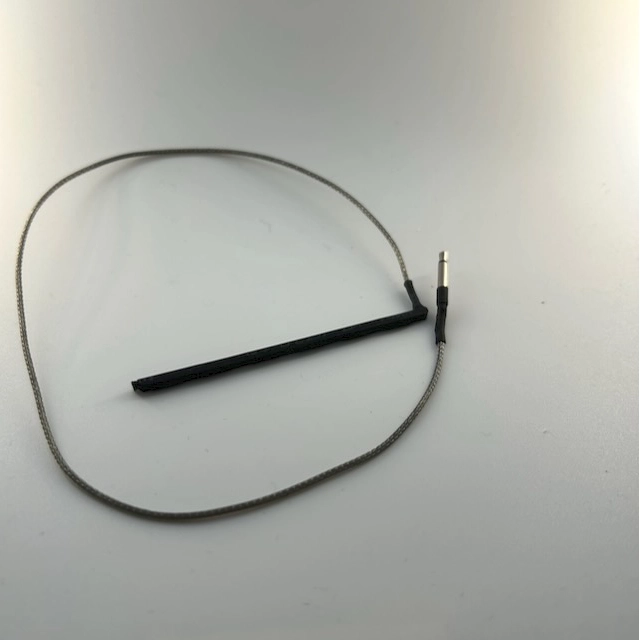
Piezo under saddle pickup, 6 string

How piezo under saddle pickups work. OK we don’t often offer piezo stuff but that doesn’t mean we can’t talk about it. It’s guitar stuff after all. So here’s a few words about those weird little strips that make a bunch of noise.

piezo under-saddle pickup is a fascinating piece of technology. It allows acoustic guitars to be amplified without the need for a microphone. It relies on the piezoelectric effect. A property of certain materials that generate an electrical charge when subjected to pressure or mechanical stress. This stress comes from the vibrations of the strings and the movement of the saddle.

How It Works

The pickup itself is a thin strip of piezoelectric material. Often a type of ceramic or crystal, that sits directly underneath the saddle of the guitar. The saddle is the piece that the strings rest on. Every time you pluck or strum a string, the vibration is transferred through the saddle and into the piezo strip.

Now, here’s where the magic happens. The pressure from the vibrating saddle compresses the piezo material at a microscopic level. Due to the piezoelectric effect, this compression generates an electrical signal. This signal corresponds to the frequency and intensity of the vibrations. The harder you pluck a string, the greater the pressure changes, and the stronger the electrical signal produced.

This raw electrical signal is usually very weak, which is why most piezo systems are paired with a preamp. The preamp boosts the signal to a usable level. It often provides tone-shaping options such as volume, bass, and treble controls as well. This amplified signal can then be sent to an amplifier, PA system, or recording interface.

Why Use a Piezo Pickup?

The beauty of a piezo pickup is that it captures the sound of the strings directly. It doesn’t capture ambient sound like a microphone would. This makes it incredibly useful for live performances, where feedback from microphones can be an issue. Since the pickup sits under the saddle, it also captures the resonance of the guitar’s body,. That helps adding warmth and depth to the tone.

Another advantage of piezo pickups is that they work well in noisy environments. Microphones can pick up unwanted background noise. A piezo pickup is isolated within the guitar and only responds to direct vibrations. This makes it a great choice for gigging musicians who need a reliable and feedback-resistant amplification method.

Piezo Tone Characteristics

One thing to note is that piezo pickups have a distinct tonal character. They emphasize high-end clarity and articulation, making them excellent for cutting through a mix. Some players find them too bright or “quacky,” especially when played through a full-range PA system. This is why many acoustic guitars with piezo systems include onboard EQ controls or blend them with an internal microphone to achieve a more natural sound. Piezo under-saddle pickups are an efficient, feedback-resistant, and durable solution for amplifying acoustic guitars. By harnessing the piezoelectric effect, they provide a clear and articulate representation of your guitar’s sound. This makes them an essential tool for live performers and recording musicians alike. And that’s folks is how under saddle piezo pickups work.

Posted on

What the Dickens !!!!!!

A Rock ‘n’ Roll Christmas Carol
By Someone Who’s Probably Had Too Much Eggnog ( as in Josi Warman )


Ebenezer “Eb” Scrooge was the most self-absorbed lead singer in all of rock ‘n’ roll. A strutting, leather-pants-wearing egomaniac, he demanded the spotlight like a moth demands a flame. His band, The Humbuggers, was once poised for greatness, but Eb’s toxic attitude had left them on the brink of collapse. Late-night arguments, blown gigs, and the inability to recognize anyone else’s talent had turned the once-promising group into a glorified pub act.

None suffered more than Bob Cratchit, the band’s lead guitarist. Bob was a genius with a six-string, coaxing beauty from his beat-up Stratocaster. But despite his talent, he endured Eb’s tantrums and constant putdowns, all for the love of music—and for his family, especially his son Tiny Tim, who dreamed of getting his dad’s band on the charts before the kid’s brittle little legs gave out entirely.

It was Christmas Eve, and the band had just limped through a gig at the Dismal Arms, a venue that smelled like beer, disappointment, and last week’s carpet cleaner. As the crowd booed them off the stage, Eb snapped at Bob.

“You’re dragging me down, Cratchit!” he barked. “You play like a guy who’s afraid to bend a string. Where’s the passion?”

“Passion?!” Bob shot back. “I’ve been carrying this band for years while you prance around screeching like a feral cat!”

“You’re replaceable, Cratchit!” Eb snarled before storming off into the snowy night.


That night, Eb returned to his freezing flat, still convinced he was the only reason The Humbuggers hadn’t yet conquered the charts. As he gulped down a lukewarm whiskey and tuned his acoustic guitar, the lights flickered ominously.

Suddenly, the amp in the corner crackled to life. Out of it came the ghostly image of Marley, Eb’s former bassist and bandmate who’d OD’d after the band’s first album flopped. Marley floated toward him, rattling a chain made of broken guitar straps, tour passes, and unsold merch.

“Eb!” Marley wailed. “You’re on a path to destruction, mate! You’re doomed to a life of irrelevance unless you change your ways!”

“Bah, humbug!” Eb scoffed. “You were always jealous of my talent, Marley. What do you know?”

“Plenty! And tonight, you’ll be visited by three spirits—of bands past, present, and yet to come. Listen to them, or spend eternity gigging in purgatory with no roadies!”

Before Eb could argue, Marley disappeared in a puff of dry ice.


The Ghost of Bands Past

The first ghost showed up at midnight—a bedraggled figure in a faded Led Zeppelin T-shirt. It was Eb’s first-ever drummer, a guy named Sticksy, who’d been fired after complaining about Eb’s insistence on nine-minute vocal solos.

Sticksy whisked Eb back to their first gigs in smoky bars, where the band was fresh, raw, and happy. Eb watched himself laughing with his old mates, sharing greasy chips after shows, and listening to everyone’s input on songs.

“You were part of a team,” Sticksy said. “But your ego ruined it. Remember the night you replaced me with a drum machine?”

“That drum machine was never late to rehearsals,” Eb muttered.

Sticksy rolled his eyes. “You’re hopeless, mate. Maybe the next ghost can fix you.”


The Ghost of Bands Present

At 1 a.m., Eb was jolted awake by a hulking, leather-clad figure holding a Gibson Flying V. The ghost introduced herself as “Rocksy,” the spirit of the present, and took Eb to the Cratchit household.

There, Eb saw Bob huddled by the fire with his family. Despite the cold and the measly meal on the table, they were laughing and singing carols, with Tiny Tim strumming along on a ukulele.

“They believe in you,” Rocksy said. “Bob defends you to everyone, even though you’re impossible to work with. He thinks you still have it in you to be great.”

Eb felt a pang of guilt but quickly buried it. “I’ve been carrying Bob for years! He’s lucky to have me.”

Rocksy sighed. “You’re thicker than a Marshall stack. Let’s move on.”


The Ghost of Bands Yet to Come

At 2 a.m., the final ghost appeared—a silent, cloaked figure with an air of doom. The ghost showed Eb a future where The Humbuggers had disbanded. Bob had joined a rival group and was now shredding his way through sold-out arenas. Tiny Tim, now an adult, dedicated every hit song to his dad.

Meanwhile, Eb saw himself alone, forgotten, and reduced to singing karaoke in a rundown pub. The ghost pointed to a gravestone engraved with the words, “Here lies Ebenezer Scrooge: The Least Missed Frontman of All Time.”

“No!” Eb cried. “I can change! I’ll be better! I’ll give Bob the credit he deserves, and I’ll stop being such a diva!”

The ghost remained silent, but Eb felt his heart swell with resolve.


The next morning, Christmas Day, Eb burst into Bob’s flat, startling the Cratchit family mid-breakfast.

“Bob, I’ve been a total knob!” Eb declared. “You’re the soul of this band, and from now on, you’re getting a bigger share of the royalties—and full credit on all the tracks.”

Bob gawked. “Have you been drinking, or are you actually being sincere?”

“Sincere! Also, Tiny Tim, you’re getting a new guitar!”

Tiny Tim cheered, “God bless us, every one!”

That night, The Humbuggers played their best gig yet, with Eb sharing the spotlight for the first time. The audience went wild, and the band felt like a family again.

And from that day forward, Ebenezer Scrooge became the most generous, supportive frontman in rock ‘n’ roll history—well, at least until the next ego trip.

The End.

Posted on

Treble Bleed Circuit. Why Your Guitar Might Need One

250k volume pot pre-wired with treble bleed circuit

Have you ever rolled down the volume on your electric guitar only to find that the tone turns to mud? That sparkly, jangly high-end that gave your riffs life has suddenly been replaced by a muffled, dull sound. If you’re nodding along, you’re not alone. This is a common woe for guitar players. But fear not — the treble bleed circuit is here to save the day!

Let’s dive into what a treble bleed circuit does. Its advantages and disadvantages, and how you can install one to give your tone a new lease on life.

What Is a Treble Bleed Circuit?

A treble bleed circuit is a simple modification added to the volume control of an electric guitar. It consists of a capacitor and, in some cases, a resistor wired in parallel or series with the capacitor. Its sole mission? To keep the high frequencies of your signal when you roll down the volume knob.

Why does this problem occur in the first place? When you turn down the volume on your guitar, you’re altering the way the signal interacts with the volume pot. This can cause the high frequencies to bleed off, leaving you with a darker, less defined tone. The treble bleed circuit compensates for this loss. It allows more of the high frequencies to pass through even as the volume decreases.

The Advantages of a Treble Bleed Circuit

1. Consistency Across Volume Levels

Without a treble bleed circuit, turning down the volume can feel like turning down the soul of your tone. With a treble bleed installed, you keep clarity and definition no matter where the volume knob is set.

2. Improved Dynamics

Are you a player who loves riding the volume knob to control dynamics ? A treble bleed circuit ensures that your tone stays articulate even at lower volumes. This is especially useful for genres like blues and jazz where subtle shifts in tone make all the difference.

3. Cleaner Signal to Effects

Do you run your guitar through pedals ? Especially overdrive or distortion ? A treble bleed circuit can help keep your sound tight and clear. This is because it prevents the signal from becoming too muddy before it even hits your effects chain.

4. Easy Installation

The treble bleed circuit is one of the simplest mods you can do on a guitar. With just a soldering iron and a few inexpensive components, you can elevate your guitar’s performance.

The Disadvantages of a Treble Bleed Circuit

Of course, no mod is perfect. Here are a few potential downsides to consider:

1. Overly Bright Tone at Low Volumes

Some players find that treble bleed circuits can make their tone too bright when the volume is rolled down. This can happen if the capacitor value isn’t chosen carefully for your particular setup.

2. Loss of “Darkened” Tones

Some players enjoy the darker tones that naturally occur when rolling down the volume. Installing one means saying goodbye to this characteristic.

3. Compatibility Issues

Not all treble bleed circuits work equally well with all pickups and wiring configurations. Humbuckers, single-coils, and active pickups all behave differently, so some experimentation is be required.

4. Slight Learning Curve

Though installation is straightforward, finding the perfect combination of capacitor and resistor values can involve some trial and error. This can be intimidating for beginners.

How to Wire a Treble Bleed Circuit

Warman treble bleed circuit using single capacitor

Ready to dive in and add a treble bleed circuit to your guitar? Here’s how:

What You’ll Need:

  • A capacitor (typically between 680pF and 1500pF)
  • A resistor (100k–300k ohms, depending on your preference)
  • A soldering iron
  • Solder
  • A screwdriver (to access your guitar’s control cavity)

Step 1: Open the Control Cavity

Remove the backplate or pickguard of your guitar to access the volume pot. This is usually a straightforward process, but be sure to keep track of the screws.

Step 2: Identify the Volume Pot Terminals

Locate the terminals on your volume pot. The treble bleed circuit will be soldered across the input and output terminals of the pot. If you’re unsure, check a wiring diagram specific to your guitar model.

Step 3: Prepare the Components

Decide whether you want to use just a capacitor or a capacitor and resistor in combination. Here are two common configurations:

  • Capacitor Only: Solder the capacitor directly between the input and output terminals.
  • Capacitor and Resistor in Parallel: Solder the resistor and capacitor together at both ends. Then solder the pair across the terminals.

Step 4: Solder the Circuit

Using your soldering iron, attach the components to the volume pot. Be careful not to overheat the components or damage the pot.

Step 5: Test the Circuit

Before reassembling your guitar, plug it into an amp and test the volume knob. Check that the treble bleed is working as intended. If the tone feels too bright or not bright enough, try different components.

Step 6: Reassemble Your Guitar

Once you’re satisfied with the results, carefully reassemble your guitar, making sure no wires are pinched or disconnected.

Choosing the Right Components

Finding the perfect capacitor and resistor combination can make all the difference. Here are a few guidelines:

  • For a Bright but Balanced Tone: Start with a 1000pF capacitor and a 150k-ohm resistor in parallel.
  • For a Warmer Tone: Use a smaller capacitor value, such as 680pF, and adjust the resistor accordingly.
  • Experimentation is Key: Try different values to suit your guitar and playing style. The “perfect” treble bleed setup is highly subjective.

To take out some of the guesswork we have some pre-wired treble bleed kits if you click here

To Bleed or Not to Bleed?

So, does your guitar need a treble bleed circuit? That depends on your playing style and tonal preferences. If you find yourself frustrated by a loss of clarity when rolling down the volume, this mod could be a game-changer. However, if you’re attached to the natural tonal shifts of your guitar, you might prefer to leave things as they are.

Ultimately, the treble bleed circuit is a low-cost, high-impact modification that’s worth trying. It might just breathe new life into your guitar’s tone and inspire you to explore new dynamics in your playing.

Happy modding, and may your tone always be top-notch!

This article was written by Josi Warman, founder of Warman Guitars. With over 40 years of experience building guitars, designing pickups, creating custom wiring systems and publishing guitar-building guides, Josi has helped thousands of players upgrade and customise their instruments.

Posted on

Warm up exercises for guitarists

Warman - warm up exercises for guitarists
Photo of guitar player doimnmg warm up exercises for guitarists


I know at Warman we are all about guitar pickups. We do also consider some of the other aspects of the guitarists world. So to keep your widdly digits in good order here are a few Warm up exercises for guitarists. Great daily finger exercises for guitar players. Helps with speed, accuracy, and dexterity while minimizing the risk of injury. Nothing ground breaking or new but still worth trying to see if it helps you improve.


1. Warm-Up Stretching

  • Start with gentle hand stretch exercises. Extend each finger and lightly press it back (one at a time) with your opposite hand. Hold each stretch for about 10 seconds.
  • Warm up your wrists and forearms by rotating them and doing small wrist stretches. This will help prevent stiffness and injury.


2. Chromatic Exercise

  • Place each finger on a consecutive fret (index on fret 1, middle on fret 2, etc.) and play each note in order (1-2-3-4) on all strings.
  • Start slowly, focusing on clarity and evenness. Gradually increase speed as you get comfortable.
  • For variation, try 4-3-2-1 (reverse order) or alternate the order (e.g., 1-3-2-4).


3. Spider Exercise

  • Place your fingers on different strings and frets (e.g., Index on fret 5 of the 6th string. Middle on fret 6 of the 5th string. Ring on fret 7 of the 4th string. Little finger on fret 8 of the 3rd string).
  • Play each note one at a time. Move up the neck without lifting any fingers until you reach the next note.
  • This exercise will help develop finger independence and coordination between fretting and picking hands.


4. Stretching Across Frets (1-3-5-6)

  • Place your index finger on fret 1. Middle on fret 3. Ring finger on fret 5. Little on fret 6, starting on the 6th string.
  • This exercise helps with finger stretch and strength and is good for developing accuracy and comfort with wider frets.


5. Scales in Position

  • Practice simple scales (e.g., C major, A minor) by playing them across the fretboard within a 4-fret span.
  • Move across strings, working on accuracy and smoothness. You can use alternate picking or practice with hammer-ons and pull-offs to increase speed gradually.


6. “1234” and “4321” on Each String

  • Practice ascending and descending each string by playing “1234” up and “4321” down.
  • This helps develop strength and control, especially with your little finger.


7. Descending Ladder

  • Place your fingers on the 12th fret of the 1st string. Then the 11th fret of the 2nd string, and so on, creating a “ladder.”
  • Move each finger down a fret and a string, gradually working your way up and down the neck.
  • This exercise improves reach and builds strength without excessive tension.


Tips for Injury Prevention – Warm up exercises for guitarists:

  • Go Slow: Always start slow and avoid pushing speed until your fingers feel comfortable.
  • Keep a Light Grip: Press down with the least pressure needed to get a clean sound.
  • Take Breaks: Every 10–15 minutes, shake out your hands and stretch to avoid fatigue.
  • Mind Your Posture: Keep your wrist relaxed, with a slight bend, to prevent strain. Avoid overextending your thumb or bending your wrist too much.


Doing these exercises for 5–10 minutes daily will help you build speed and accuracy over time without strain. Adjust your practice time as you progress, focusing on control and fluid movement. When you have done all that you can exercise your hands a bit more by browsing our range of pickups

Posted on

Rare Earth Magnet Pickups

Rare earth magnets are not commonly found in guitar pickups.

Why Rare Earth Magnets Are Not Commonly Used in Guitar Pickups

Guitar pickups, whether humucker or single coil, are a critical component in the design and functionality of electric guitars, converting string vibrations into electrical signals, which are then amplified. Most guitar pickups use magnets made from materials like Alnico (an alloy of aluminum, nickel, and cobalt) or ceramic. However, rare earth magnets, such as neodymium and samarium-cobalt, are not commonly found in guitar pickups. While rare earth magnets offer unique advantages, several factors contribute to their limited use in this particular application.

1. Excessive Strength of Rare Earth Magnets

One of the most defining features of rare earth magnets is their exceptional strength. Neodymium magnets, for instance, are among the strongest commercially available magnets, significantly more powerful than Alnico or ceramic magnets. While strength may seem beneficial, it can actually create problems in the context of guitar pickups.

The primary issue is the impact on string vibrations. Magnets in pickups exert a magnetic pull on the guitar strings, affecting their natural vibration. Stronger magnets can cause a phenomenon known as “string pull,” where the magnetic field interferes with the free movement of the strings. This interference can lead to unwanted tonal problems, such as intonation issues, reduced sustain, and strange overtones. Guitarists generally value a natural, smooth sound, and rare earth magnets can overpower the strings to the point where the sound becomes unnatural or too aggressive.

While some players may prefer a punchier or more defined tone that stronger magnets could theoretically provide, most guitarists prefer the more traditional, balanced tone of Alnico or ceramic magnets.

2. Unwanted Brightness and Harshness

In terms of tonal characteristics, rare earth magnets tend to produce a very bright, harsh sound that is often less desirable to guitarists. Traditional pickups made with Alnico or ceramic magnets are known for their warmth, smooth midrange, and roundness, which contribute to the classic tones associated with vintage and modern electric guitars. These magnets provide a balanced and musical tone with rich harmonics and pleasing overtones.

Rare earth magnets, on the other hand, can make the tone excessively bright, with more high-frequency content than most players find useful. This can result in a brittle or “ice-pick” sound, which is generally considered unpleasant in the context of guitar performance. While EQ adjustments or tone controls can help tame this excessive brightness, most guitarists prefer a pickup that naturally complements their playing style and musical genre without requiring additional electronic adjustments.

3. Lack of Customary Vintage Appeal

Another reason why rare earth magnets are not commonly used in guitar pickups is the lack of vintage appeal. Much of the electric guitar market is driven by tradition and nostalgia, with many players seeking to replicate the classic sounds of famous guitarists from the 1950s, 60s, and 70s. Alnico magnets, particularly Alnico 2 and Alnico 5, have been used in pickups for decades and are associated with the “holy grail” tones of iconic instruments, like the Fender Stratocaster and Gibson Les Paul.

Rare earth magnets, by contrast, do not have the same historical or emotional resonance with guitarists. Many players are hesitant to adopt new technologies or materials that do not align with the vintage aesthetic or tonal character they are seeking. As a result, rare earth magnets, despite their superior strength and modern appeal, have not gained widespread acceptance in the guitar community.

4. Cost and Availability

While rare earth magnets are relatively affordable and accessible in some industries, they can still be more expensive than Alnico or ceramic magnets. Neodymium, in particular, is subject to price fluctuations due to the geopolitics of rare earth mining. Most rare earth elements are mined in specific regions, like China, which can create supply chain uncertainties.

For guitar manufacturers, using rare earth magnets could drive up production costs, and this cost increase would be passed on to consumers. Many guitarists are unwilling to pay a premium for pickups made with rare earth magnets, especially when more affordable and time-tested options, like Alnico and ceramic magnets, are available and deliver the desired sound. For guitar makers, there is little incentive to use more expensive materials if they do not significantly improve or enhance the tonal qualities that guitarists are looking for.

5. Suitability for Other Applications

Rare earth magnets are more commonly used in applications where their strength is an advantage, such as in motors, hard drives, and advanced electronics. These industries prioritize the magnet’s ability to generate a strong magnetic field in a small space. In the world of guitar pickups, however, the strongest magnetic field is not necessarily desirable. Guitar pickups require a balance between magnetic strength and the ability to allow the strings to vibrate naturally, without interference.

Guitar pickups are also designed to capture nuances in the player’s performance, including subtle variations in dynamics and tone. Rare earth magnets may be too powerful to allow these subtleties to shine through, reducing the expressiveness of the instrument.

Conclusion

While rare earth magnets have revolutionized other industries, their use in guitar pickups is limited for several reasons. Their excessive strength can lead to issues with string pull and tone, while their inherent brightness can result in an unpleasant, overly harsh sound. Additionally, the lack of vintage appeal and potential cost issues make them less attractive to both guitarists and manufacturers. In contrast, traditional Alnico and ceramic magnets have stood the test of time, offering a balanced tone, affordability, and a proven track record in the world of electric guitars. For these reasons, rare earth magnets are likely to remain a niche option, with Alnico and ceramic magnets continuing to dominate the guitar pickup market.

This article was written by Josi Warman, founder of Warman Guitars. With over 40 years of experience building guitars, designing pickups, creating custom wiring systems and publishing guitar-building guides, Josi has helped thousands of players upgrade and customise their instruments.